

Explore British Columbia, a land of breathtaking natural beauty and endless adventure. From majestic mountains to serene coastal shores, BC offers some of the most stunning outdoor destinations in Western Canada. Whether you’re hiking through ancient rainforests, kayaking along rugged coastlines, or spotting wildlife in pristine wilderness, each location promises a unique experience. Dive into this guide to discover the best of BC’s landscapes and plan your unforgettable journey into Canada’s great outdoors
Pacific Rim National Park Reserve (Vancouver Island)
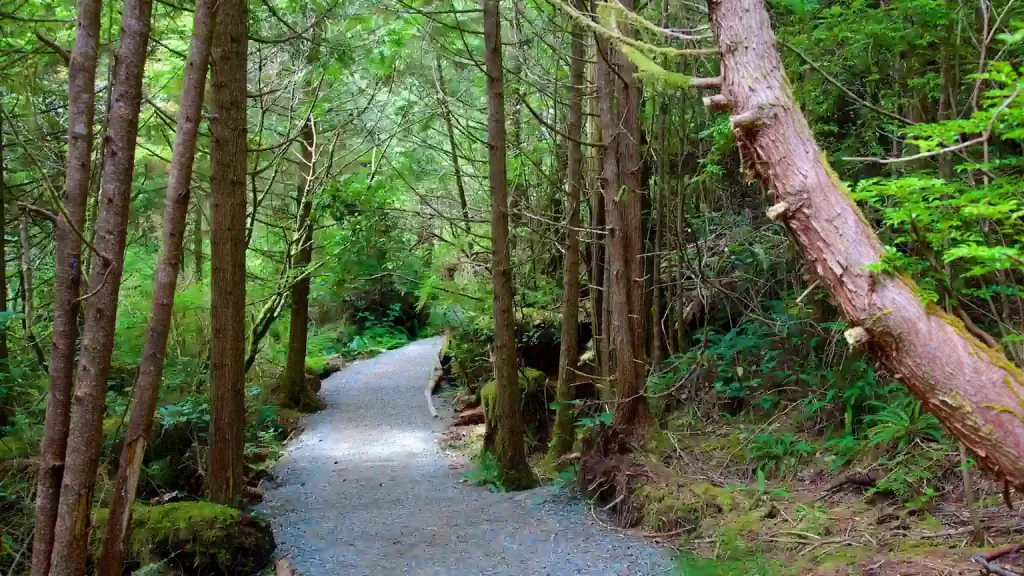
- Location: Vancouver Island, near Tofino and Ucluelet
- Getting There: From Vancouver, you can take a ferry to Nanaimo (1.5 hours), then drive about 3 hours to Tofino or Ucluelet.
Highlights: Famous for its long, rugged coastline, the Pacific Rim offers sandy beaches, dense rainforests, and exceptional hiking trails like the Wild Pacific Trail and the Nuu-chah-nulth Trail. Long Beach is ideal for surfing and beachcombing, while the tidal pools at Green Point showcase vibrant marine life.
Weather: Rain is common, especially in spring and fall. Summer temperatures average 15–20°C (59–68°F).
Wildlife: Gray whales (often seen in spring), sea lions, otters, black bears, bald eagles, and various seabirds. Local tours offer excellent opportunities for whale watching.
What to Bring:
- Gear: Waterproof jacket, hiking boots, binoculars, and a waterproof camera.
- Essentials: Bear spray, map, and snacks.
Reservations and Tickets:
- Park Fees: Daily or annual passes are required. Purchase online or at the park entrance.
- Camping Reservations: Highly recommended during peak summer season.
- Website: Pacific Rim National Park Reserve
Tips:
- Check local tide schedules to explore tide pools safely.
- Plan for variable weather, as rain showers are frequent.
Yoho National Park
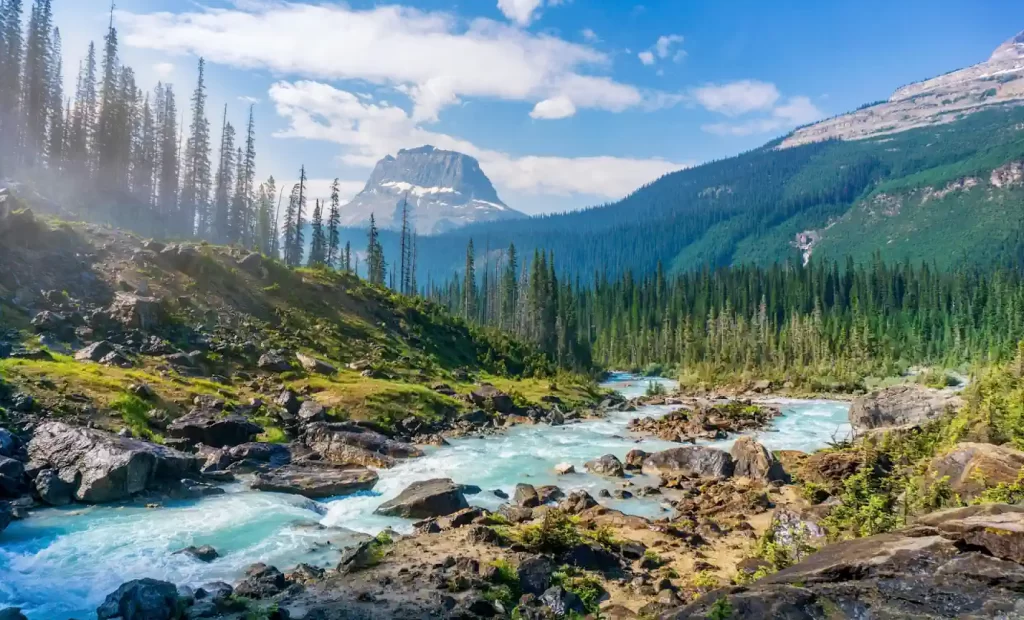
- Location: Field, BC, along the Trans-Canada Highway
- Getting There: Drive from Calgary (2.5 hours) or Banff (1 hour).
Highlights: With vibrant turquoise lakes like Emerald Lake, dramatic waterfalls such as Takakkaw Falls, and prehistoric fossils at the Burgess Shale, Yoho offers unparalleled natural beauty and unique geological features.
Weather: Cooler mountain climate, with summer highs around 15–20°C (59–68°F) and chilly evenings. Winter temperatures can plunge below -10°C (14°F).
Wildlife: Grizzlies, black bears, elk, mountain goats, and a variety of birds. Early mornings and evenings are the best times to spot wildlife.
What to Bring:
- Gear: Warm clothing, hiking boots, and rain protection.
- Essentials: First-aid kit, high-energy snacks, and a camera for the stunning scenery.
Reservations and Tickets:
- Park Fees: Daily passes or annual Discovery Passes are required.
- Camping and Burgess Shale Tours: Reserve in advance.
- Website: Yoho National Park
Tips:
- Due to high elevation, trails may have snow until mid-June.
- Cell service is limited, so download maps in advance.
Great Bear Rainforest
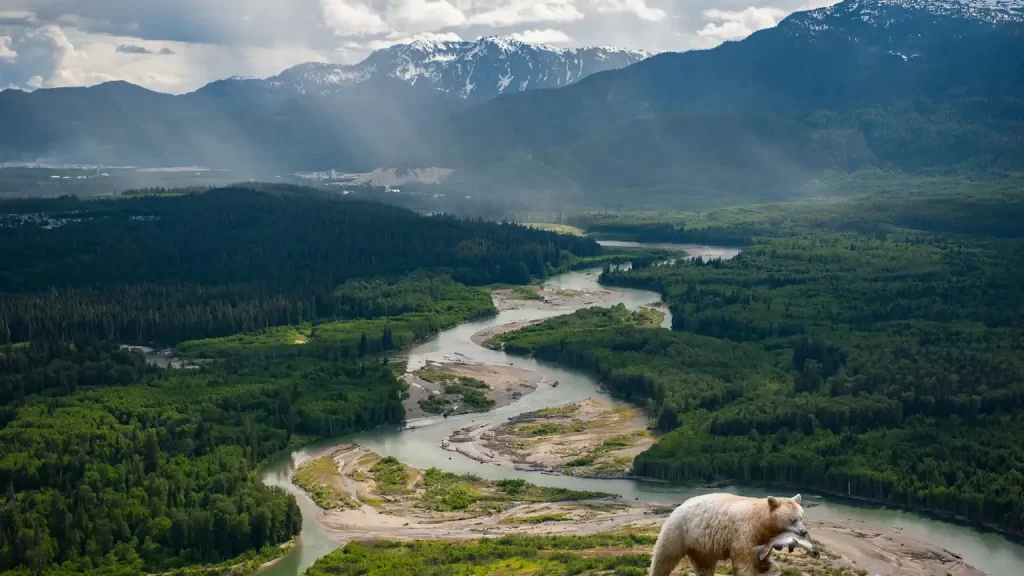
- Location: Central and northern coast of BC
- Getting There: Fly to Bella Bella or Prince Rupert, then arrange guided tours or boat transport to access the remote rainforest.
Highlights: This vast temperate rainforest is renowned for its unique Kermode (spirit) bears, ancient cedar trees, and vibrant salmon streams. The landscape is a breathtaking mix of misty fjords, towering trees, and untouched rivers.
Weather: Heavy rainfall throughout the year; summer averages 12–18°C (54–64°F). Prepare for humid and misty conditions.
Wildlife: Home to rare spirit bears, grizzlies, black bears, wolves, eagles, and abundant marine life, including whales. Salmon runs in fall attract numerous predators to the rivers.
What to Bring:
- Gear: Waterproof clothing, insect repellent, and binoculars for wildlife viewing.
- Essentials: Bear spray, snacks, and a portable charger.
Reservations and Tickets:
- Tours: Highly recommended for spirit bear viewing. Book in advance due to limited access.
- Website: Great Bear Rainforest
Tips:
- Support Indigenous-owned tour companies for cultural insights and sustainable travel.
- Pack food and water, as services are limited in remote areas.
Garibaldi Provincial Park
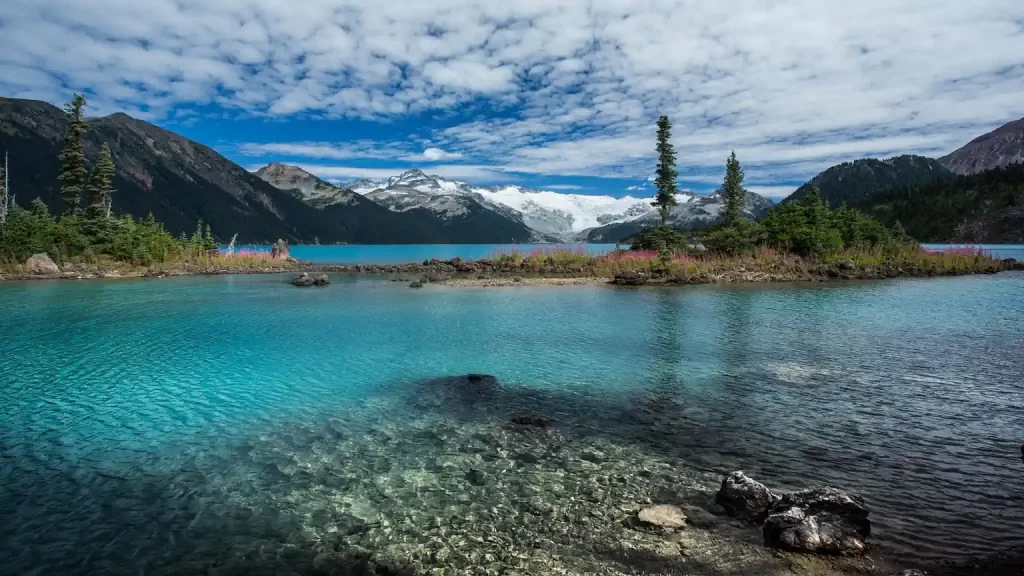
- Location: Near Squamish, BC
- Getting There: Drive 1.5 hours from Vancouver to trailheads near Squamish or Whistler.
Highlights: Known for its striking alpine scenery, Garibaldi offers hiking trails to turquoise lakes like Garibaldi Lake and Black Tusk. Wildflower-filled meadows and glacier views await adventurers.
Weather: Highs of 15–20°C (59–68°F) in summer; snow is common in winter and can linger on higher trails until July.
Wildlife: Black bears, marmots, mountain goats, and diverse alpine birds. Wildlife sightings are frequent, especially in less-crowded areas.
What to Bring:
- Gear: Sturdy hiking boots, layers, water purification tablets, and camping equipment.
- Essentials: Sunscreen, a hat, and sufficient food for long hikes.
Reservations and Tickets:
- Park Fees: Daily fees are required.
- Camping: Reservations are required for backcountry sites.
- Website: Garibaldi Provincial Park
Tips:
- Arrive early, as parking is limited at trailheads.
- Bring enough water, as natural sources require purification.
Okanagan Valley
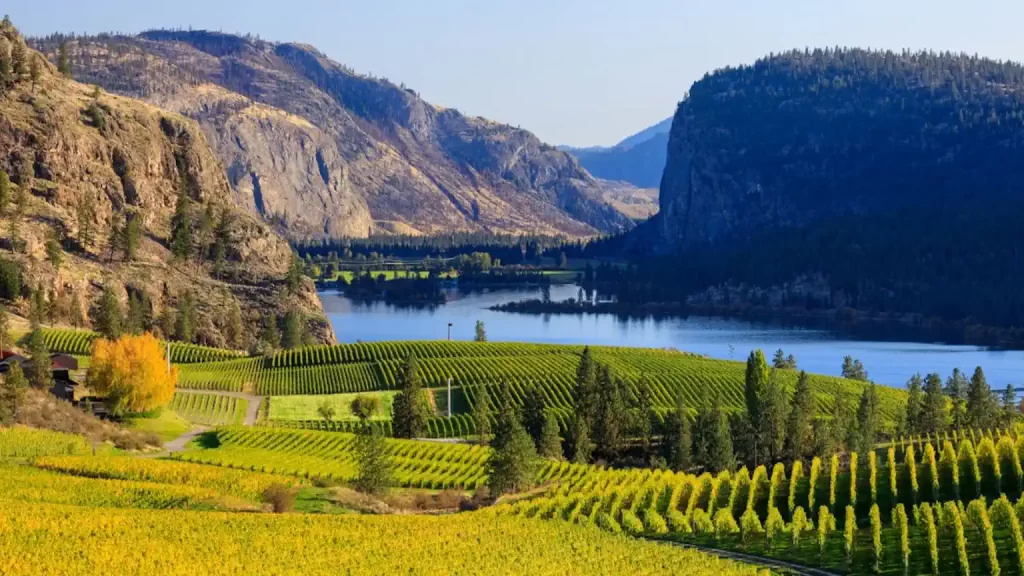
- Location: Central BC, surrounding Kelowna and Penticton
- Getting There: Drive from Vancouver (4 hours) or fly into Kelowna International Airport.
Highlights: The Okanagan is known for its warm lakes, vineyards, orchards, and hiking trails. Okanagan Lake offers beaches and water sports, while Myra Canyon is popular for biking.
Weather: Hot, dry summers with temperatures up to 30°C (86°F); winters are mild, averaging 0–5°C (32–41°F).
Wildlife: Bald eagles, ospreys, deer, and occasionally black bears. The valley also has several bird-watching hotspots.
What to Bring:
- Gear: Swimwear, sunscreen, a hat, and comfortable shoes.
- Essentials: Water bottle, picnic supplies, and a tasting glass for winery tours.
Reservations and Tickets:
- Wineries: Book tasting tours in advance, especially during peak season.
- Website: Tourism Kelowna
Tips:
- Book campsites early if visiting in summer.
- Many wineries charge tasting fees, often waived with a purchase.
Wells Gray Provincial Park
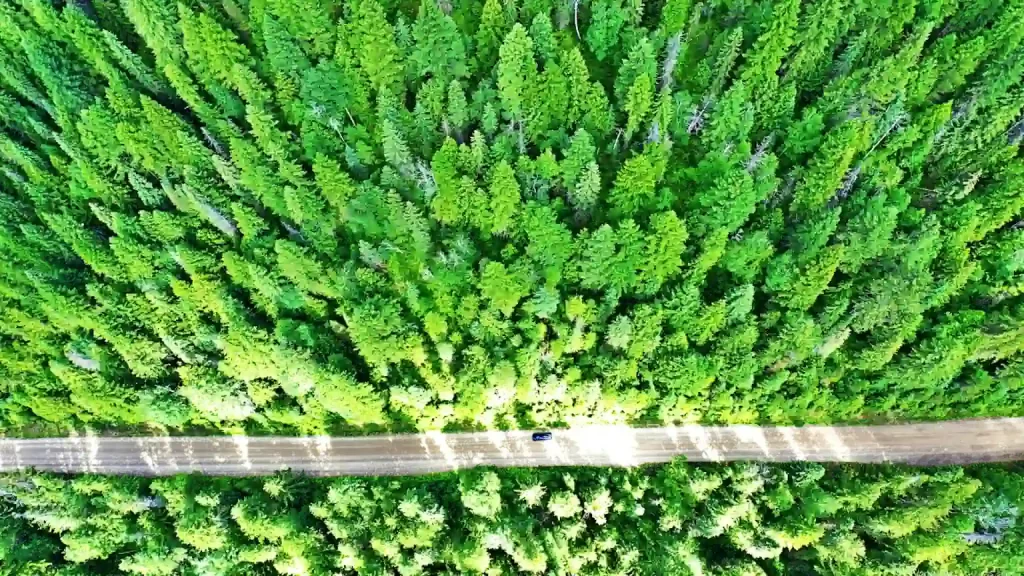
- Location: Near Clearwater, BC
- Getting There: A 5-hour drive from Vancouver or 1.5 hours from Kamloops.
Highlights: Wells Gray boasts some of Canada’s most impressive waterfalls, like Helmcken Falls and Dawson Falls. With volcanic fields and wildflower meadows, it’s a haven for outdoor enthusiasts.
Weather: Warm summers (15–25°C / 59–77°F); winters are snowy and ideal for snowshoeing.
Wildlife: Black bears, grizzlies, moose, and wolves. Dawn and dusk offer the best wildlife viewing.
What to Bring:
- Gear: Sturdy shoes, bug spray, and rainproof clothing.
- Essentials: Binoculars, snacks, and a flashlight.
Reservations and Tickets:
- Camping: Reserve ahead during summer. Many campsites are first-come, first-served.
- Website: Wells Gray Park
Tips:
- Download maps ahead of time due to limited cell service.
- Bring a good camera for photographing waterfalls and wildlife.
Mount Robson Provincial Park
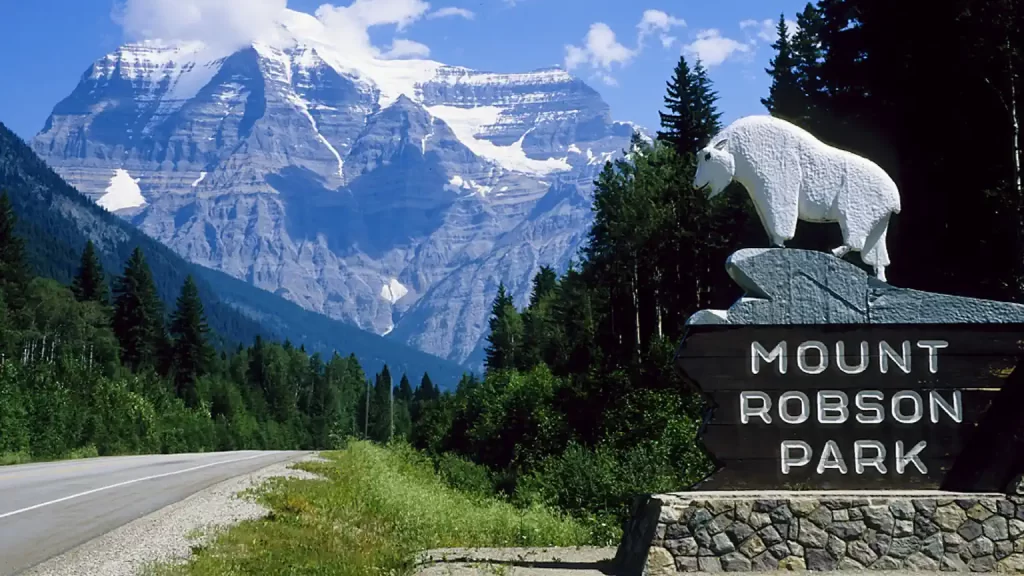
- Location: Near the Alberta border, along the Yellowhead Highway
- Getting There: About a 3-hour drive from Jasper or 5 hours from Kamloops.
Highlights: Home to Mount Robson, the highest peak in the Canadian Rockies, the park is known for stunning alpine scenery and the challenging but rewarding Berg Lake Trail, which takes hikers past glaciers, waterfalls, and lush valleys.
Weather: Summers average 15–20°C (59–68°F), with cooler temperatures at higher elevations. Snow is common from October to May.
Wildlife: Moose, black bears, grizzlies, mountain goats, and a variety of birds. Keep an eye out for marmots and pikas in the higher altitudes.
What to Bring:
- Gear: Hiking boots, warm layers, trekking poles, and water purification tablets.
- Essentials: Bear spray, map, and high-energy snacks.
Reservations and Tickets:
- Camping: Berg Lake Trail campsites are in high demand; reservations open in spring and fill quickly.
- Website: Mount Robson Provincial Park
Tips:
- Pack layers, as temperatures vary dramatically between day and night.
- Book camping permits early if hiking the Berg Lake Trail.
Haida Gwaii (Queen Charlotte Islands)
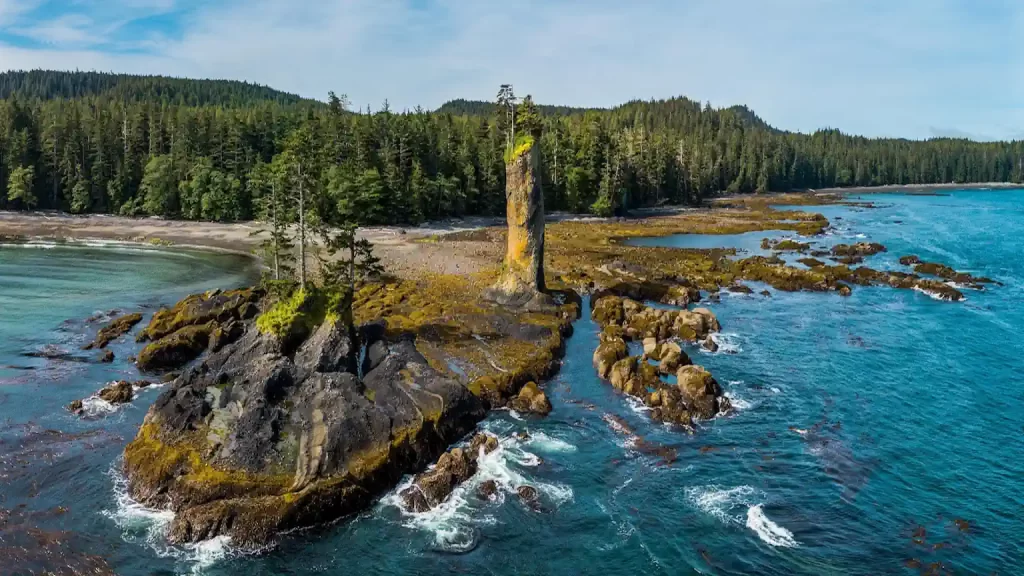
- Location: Off the northern coast of BC
- Getting There: Ferry from Prince Rupert or flights from Vancouver.
Highlights: Known as the “Galapagos of the North,” Haida Gwaii is rich in Indigenous Haida culture and offers lush rainforests, rugged beaches, and ancient totem poles. Gwaii Haanas National Park Reserve is a UNESCO World Heritage site with remote, unspoiled landscapes.
Weather: Cool and rainy year-round; average summer temperatures range from 10–18°C (50–64°F).
Wildlife: Bald eagles, black bears, whales (gray and humpback), and seabirds. The islands’ unique flora and fauna include several species found nowhere else.
What to Bring:
- Gear: Waterproof clothing, sturdy hiking shoes, binoculars.
- Essentials: Bear spray, maps, and high-energy food.
Reservations and Tickets:
- Gwaii Haanas Tours: Guided tours must be booked in advance for visiting cultural sites.
- Website: Haida Gwaii
Tips:
- Respect Haida cultural sites and follow local guidelines.
- Cell service is limited; download maps beforehand.
Kootenay National Park
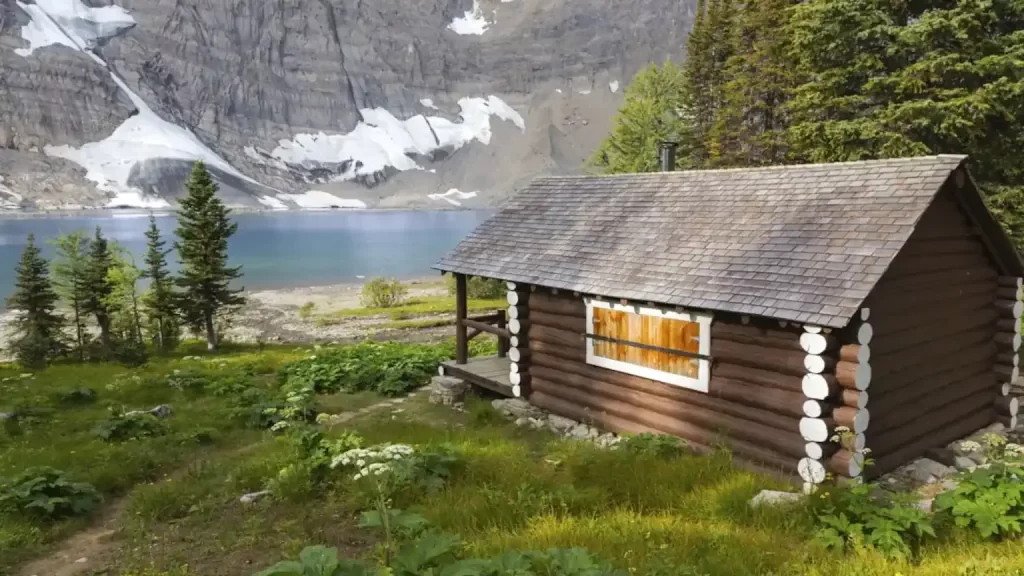
- Location: Near Radium Hot Springs, along the BC-Alberta border
- Getting There: About a 2-hour drive from Banff or 4.5 hours from Calgary.
Highlights: Known for Radium Hot Springs, scenic hiking trails, and Marble Canyon, Kootenay offers diverse landscapes from rugged canyons to lush forests. Floe Lake and the Stanley Glacier are popular hikes.
Weather: Mild summers with temperatures between 15–25°C (59–77°F). Winters are snowy, especially at higher elevations.
Wildlife: Black bears, grizzlies, elk, bighorn sheep, and mountain goats. Wildlife is more active in the early morning and late evening.
What to Bring:
- Gear: Hiking boots, warm layers, and a bathing suit for the hot springs.
- Essentials: Bear spray, snacks, and water.
Reservations and Tickets:
- Park Entry: Daily or annual Discovery Passes are required.
- Camping: Reservations are recommended for popular campgrounds.
- Website: Kootenay National Park
Tips:
- Bring a towel and swimsuit for Radium Hot Springs.
- Wildlife encounters are common, so follow safety protocols.
Gulf Islands National Park Reserve
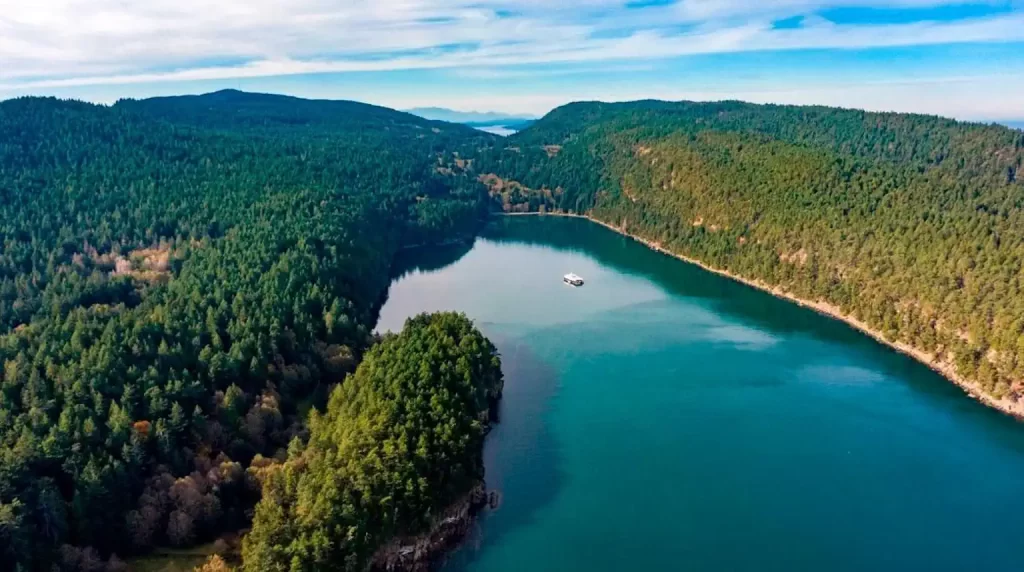
- Location: Various islands off the southern coast of Vancouver Island
- Getting There: Ferry service from Vancouver and Vancouver Island, or by seaplane to specific islands.
Highlights: This park reserve spans several islands, including Mayne, Saturna, and Pender, known for their charming landscapes, crystal-clear waters, and diverse marine life. Popular activities include kayaking, hiking, beachcombing, and exploring coastal ecosystems.
Weather: Mild, with average summer highs of 20–25°C (68–77°F), though evenings can be cool. Winters are wet but mild due to the coastal climate.
Wildlife: Orcas, seals, sea lions, and seabirds are common. The islands are also home to black-tailed deer and a variety of unique coastal flora.
What to Bring:
- Gear: Binoculars for wildlife spotting, waterproof clothing, and sturdy shoes.
- Essentials: Kayaking or snorkeling gear if exploring marine life, maps, and water.
Reservations and Tickets:
- Camping: Reservations are required for designated campgrounds.
- Website: Gulf Islands National Park Reserve
Tips:
- The park’s islands are spread out, so plan transportation and accommodations carefully.
- Ideal for kayaking, as many marine life sightings are accessible from the water.
Plan Your Adventure to Explore British Columbia
Each of these locations offers unique experiences, from coastal rainforests and pristine beaches to rugged mountains and serene lakes. Reserve your campsites and tours well in advance, especially during peak season, and come prepared for variable weather and limited cell service in remote areas. Enjoy the diverse and breathtaking natural beauty of British Columbia!


